Learning Philosophy
About us > Learning Philosophy
WHERE CURIOSITY MEETS
PURPOSEFUL LEARNING
An approach to education that encourages students to question, explore, think
independently, and grow with knowledge, confidence, character, and values.
independently, and grow with knowledge, confidence, character, and values.
LEARNING THAT GOES BEYOND THE TEXTBOOK
At The Manik Public School, learning is not simply about acquiring information. Students are encouraged to understand concepts, ask questions, exchange ideas, and apply their knowledge with confidence.
Our student-centred approach creates an engaging environment where teachers guide and mentor learners while encouraging curiosity, collaboration, independent thinking, and a lifelong enthusiasm for learning. The school’s current public materials also emphasise smart-class technology and an adaptable, collaborative learning environment.
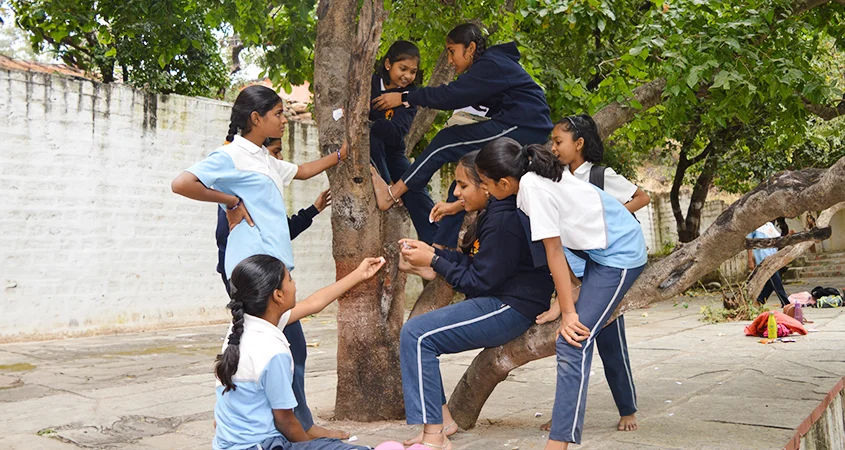

TRADITIONAL WISDOM. CONTEMPORARY LEARNING.
Manik’s educational philosophy brings together the richness of Indian heritage and values with the opportunities of modern education. The school describes itself as a modern educational ecosystem that connects ancient Indian traditions with contemporary learning.
Technology-enabled classrooms and evolving teaching practices support academic learning, while values, culture, responsibility, and character remain an important part of the student journey. This balance helps students move confidently towards the future without losing connection with their roots.
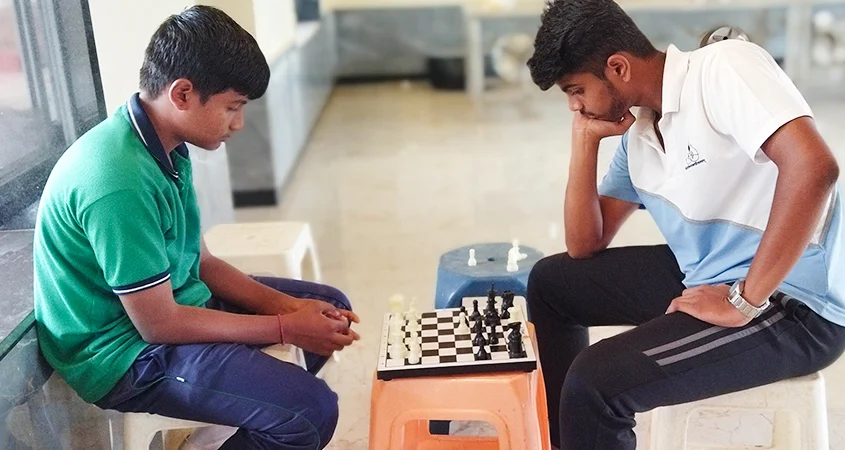
EVERY STUDENT. EVERY POSSIBILITY.
Every learner brings different abilities, interests, and aspirations to the classroom. Our approach is designed to give students opportunities to discover their strengths, participate actively, and develop confidence in their own abilities.
Through academics, creative expression, collaborative learning, leadership experiences, sports, and co-curricular opportunities, students are encouraged to grow intellectually, socially, creatively, and personally. This reflects the school’s stated mission of combining rigorous academics with creativity and character development.
Curiosity
Encouraging students to ask questions, investigate ideas, and discover the joy of learning.
Critical Thinking
Helping learners analyse information, solve problems, and develop independent perspectives.
Collaboration
Creating opportunities to communicate, share ideas, work together, and learn from others.
Creativity
Giving students the freedom to express themselves, experiment, imagine, and explore new possibilities.